Many electrical problems begin as small inconveniences that homeowners ignore until they become larger and more expensive issues. A flickering light, a breaker that trips occasionally, or an outlet that suddenly stops working may not seem urgent, but these are often early warning signs of underlying electrical problems.
For homeowners throughout New Jersey, recognizing these issues early can help prevent costly repairs, unexpected outages, and potential safety hazards. Many homes across the state were built decades ago and may still contain aging wiring, outdated electrical panels, or electrical systems that were never designed to handle today’s technology and power demands.
Understanding what to look for can help you address problems before they put your home or family at risk.
What Are the Most Common Electrical Problems in New Jersey Homes?
Some electrical issues appear more frequently than others, particularly in older homes. Common warning signs include:
- Flickering or dimming lights
- Circuit breakers that trip repeatedly
- Dead or non-working outlets
- Warm or discolored outlets
- Buzzing or crackling sounds
- Frequent power surges
- Burning odors near electrical components
- Signs of an outdated electrical system
If you notice any of these symptoms, it may be time to schedule an inspection with Get Amped Electrical Services.
Flickering or Dimming Lights
Flickering lights are one of the most common electrical complaints among homeowners. While an occasional flicker may be harmless, recurring issues often indicate a larger problem within your electrical system.
How to Spot It Early
Watch for lights that:
- Flicker when large appliances turn on
- Dim briefly when your HVAC system starts
- Pulse or brighten unexpectedly
- Flicker in multiple rooms throughout the home
What It Means
Flickering lights can be caused by overloaded circuits, loose wiring connections, or an electrical panel that is struggling to keep up with your home’s power demands. If multiple lights throughout your home are affected, the issue should be evaluated by a professional electrician.
Circuit Breakers That Trip Repeatedly
Circuit breakers are designed to protect your home by shutting off power when unsafe conditions are detected.
How to Spot It Early
Common warning signs include:
- Frequently resetting the same breaker
- Losing power in the same room repeatedly
- Breakers tripping when multiple appliances are operating
- Appliances causing immediate breaker trips
What It Means
Repeated breaker trips often indicate overloaded circuits, faulty appliances, damaged wiring, or an outdated electrical panel. While the breaker is doing its job, the issue causing it to trip should be identified and corrected before it leads to more serious electrical problems.
Dead or Non-Working Outlets
A dead outlet may seem like a minor inconvenience, but it can often signal a hidden issue within the electrical system.
How to Spot It Early
Look for:
- Outlets that stop working unexpectedly
- Loose plugs that fall out easily
- Intermittent power from a specific outlet
- Multiple outlets on the same wall losing power
What It Means
Dead outlets can result from worn receptacles, loose wiring connections, tripped GFCI outlets, or damaged circuits. In some cases, they may indicate electrical issues affecting other parts of the home’s wiring system.
Warm, Discolored, or Sparking Outlets
Electrical outlets should never feel hot or show signs of discoloration.
How to Spot It Early
Watch for:
- Brown or black marks around outlets
- Warm outlet covers
- Sparks when plugging in devices
- Burning odors near outlets
What It Means
These symptoms often indicate loose wiring, overloaded circuits, damaged outlets, or electrical arcing. Because these conditions can increase the risk of electrical fires, they should be inspected as soon as possible.
Buzzing, Crackling, or Sizzling Sounds
Electricity should operate quietly. If you hear unusual sounds coming from outlets, switches, or your electrical panel, it may indicate a developing problem.
How to Spot It Early
Listen for:
- Buzzing behind walls
- Crackling sounds from outlets
- Sizzling near switches
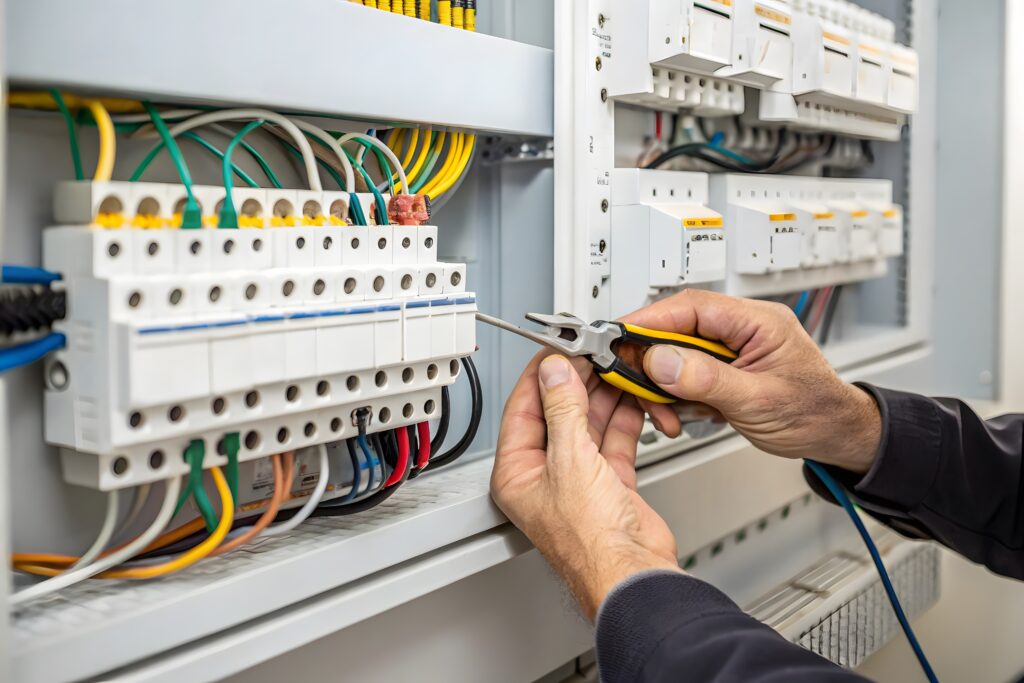
- Unusual noises from the electrical panel
What It Means
These sounds often indicate loose electrical connections or electrical arcing. Both conditions can create excessive heat and increase the risk of damage to your electrical system.
Frequent Power Surges
Power surges are common throughout New Jersey, especially during storms or periods of heavy electrical demand.
How to Spot It Early
Signs may include:
- Electronics shutting off unexpectedly
- Devices resetting on their own
- Light bulbs burning out frequently
- Appliances failing sooner than expected
What It Means
Even small, repeated surges can gradually damage electronics and appliances. Whole-home surge protection can help reduce the risk of long-term damage and improve the reliability of your electrical system.
Signs Your Electrical System May Be Outdated
Many New Jersey homes were built before modern electrical standards and technologies became commonplace.
How to Spot It Early
Look for:
- Two-prong outlets
- Frequent use of extension cords
- A lack of GFCI outlets in kitchens and bathrooms
- Older Federal Pacific or Zinsco electrical panels
- Recurring electrical issues throughout the home
What It Means
These signs may indicate that your home’s electrical system is no longer capable of safely supporting modern appliances and technology. An electrical upgrade can improve safety, efficiency, and convenience while reducing the likelihood of future problems.
When Should You Schedule an Electrical Inspection?
Some electrical issues are obvious, while others remain hidden until a failure occurs.
Consider scheduling an inspection with Get Amped Electrical Services if:
- Your home is more than 25 years old
- You frequently experience breaker trips
- Lights flicker regularly
- Outlets feel warm or show discoloration
- You hear buzzing or crackling sounds
- You are planning a renovation or home addition
- You suspect your electrical panel may be outdated
A professional inspection can help identify potential hazards before they become expensive repairs or safety concerns.
Protect Your Home With Get Amped Electrical Services
Electrical problems rarely resolve themselves. In most cases, they become more costly and potentially more dangerous over time.
By recognizing the early warning signs of common electrical problems, homeowners can take proactive steps to protect their homes, families, and investments.
Get Amped Electrical Services provides professional electrical inspections, troubleshooting, repairs, panel upgrades, surge protection solutions, and wiring services for homeowners throughout New Jersey. Whether you’re dealing with flickering lights, recurring breaker trips, aging wiring, or concerns about an outdated electrical panel, our team can help identify the cause and recommend the right solution.
If you’ve noticed any of the warning signs discussed above, contact Get Amped Electrical Services today to schedule an electrical inspection.
Frequently Asked Questions
Are recurring electrical issues always serious?
Not necessarily, but recurring electrical problems often indicate an underlying issue that should be investigated before it becomes more expensive or dangerous.
How often should older New Jersey homes have an electrical inspection?
Older homes should be inspected periodically, especially if electrical issues begin to appear or if the home has not been evaluated in many years.
Can I troubleshoot a buzzing outlet myself?
Because buzzing outlets may indicate loose wiring or electrical arcing, it is safest to have them inspected by a licensed electrician.
What is the most common electrical problem in older homes?
Outdated wiring, overloaded circuits, insufficient outlets, and aging electrical panels are among the most common electrical concerns found in older New Jersey homes.
How do I know if my electrical panel needs to be replaced?
Frequent breaker trips, flickering lights, limited capacity, or the presence of an older Federal Pacific or Zinsco panel are all signs that it may be time to have your panel evaluated.